What the UK Rules Do to Chicken Road 2—and Whether It's Worth Your Time
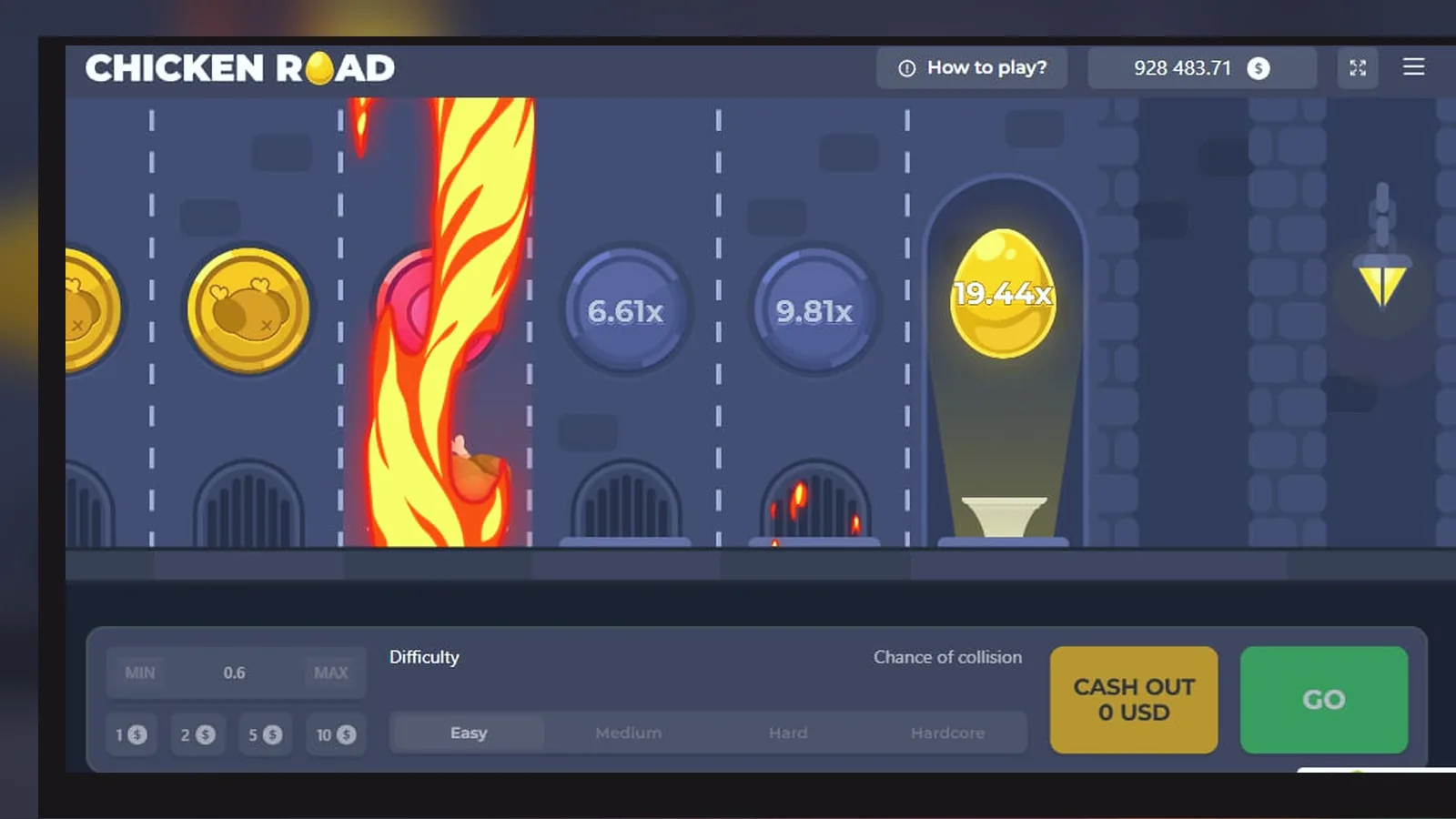
You tap a tile. A chicken steps forward. The multiplier climbs from 1.02× to 1.18×, then you cash out before hitting a mine. That's Chicken Road 2: a grid-based crash game where you decide how many steps to take and when to stop.
In the UK, three regulatory realities reshape how this game plays. The £5 stake cap per round (£2 if you're 18–24) sets a ceiling on single-round risk. Affordability checks starting at £150 net deposits per month mean the casino will pull credit-reference data if you fund faster than that threshold. And GAMSTOP blocks every UKGC-licensed site the moment you register for self-exclusion. We tested Chicken Road 2 against these constraints and scored it across seven criteria—maths, bonus fit, mobile, pace, design, small-bankroll value and bonus-round behaviour—to see who should play it and who should skip it.
Verdict First: Who This Suits and Who Should Walk Past
Chicken Road 2 suits cautious grinders who want control over volatility and can tolerate bonus wagering that moves in slow, low-margin steps. It does not suit players chasing big multipliers in a handful of rounds, or anyone expecting bonus funds to clear quickly.
The game lets you pick grid size and mine count, so you tune risk per round. A 3×3 grid with one mine is low-variance; a 5×5 grid with twelve mines pushes the ceiling higher but trips you more often. Under the £5 cap, you can still chase a 10× or 15× multiplier if you pick enough mines—but one wrong tile zeroes the round. If you're 18–24, the £2 cap halves the absolute return, though the RTP curve stays identical.
Skip this if you want session-long volatility spikes (Plinko or Aviator deliver that better), or if you're playing through a welcome bonus and need high per-round contribution. Chicken Road 2 clears wagering at 10–20 pence per round when you're risk-averse, and that drags bonus playthrough into double-digit hours.
The Seven Scores and Why We Gave Them
Maths & Fairness: 8/10. Provably fair with a published RTP curve that peaks near 99% if you cash out early and drops as you push deeper into the grid. The house edge sits around 1–2% depending on your strategy, which is tight for a crash game. No hidden multipliers or weighted tiles.
Bonus-Round Behaviour: 4/10. Most UKGC welcome bonuses cap crash-game contribution at 10% or exclude them entirely. When they do count, you're wagering £50 in real money to clear £5 in bonus funds if you're cautious. Aggressive play (high mine count, deep grid runs) lifts contribution but tanks your balance faster than the bonus unlocks.
Pace & Session Flow: 7/10. Rounds take 10–30 seconds depending on how many tiles you open. Faster than Plinko, slower than Aviator. The rhythm works for methodical players; it frustrates anyone who wants ten decisions a minute.
Mobile Build: 8/10. The grid scales cleanly on a phone. Touch targets are large enough that you won't misclick a tile when the multiplier is climbing. Auto-play and quick-bet buttons sit where your thumb expects them. No lag on 4G.
Design & Clarity: 7/10. The multiplier and cash-out button are prominent. The grid updates instantly when you tap. The chicken animation is brief and doesn't obscure the numbers. The one weak point: mine distribution isn't shown until the round ends, so you can't verify fairness in real time without opening the provably-fair panel.
Bonus-Friendliness: 5/10. Even when the game counts toward wagering, the low per-round margin (you're aiming for 1.2–2× to stay safe) means each spin clears a fraction of the requirement. A £20 bonus with 35× wagering needs 700 safe rounds at £1 stakes. That's three to four hours of continuous play.
Small-Bankroll Value: 8/10. You can play 50–100 rounds on £20 if you stick to low mine counts and cash out at 1.5–2×. The £5 cap doesn't hurt here because you're not trying to bet big anyway. The game stretches a small balance better than high-variance slots.
What the Numbers Mean When You Sit Down for an Hour
Take a £50 bankroll and £1 stakes on a 4×4 grid with three mines. Your average cash-out might sit around 1.8×. Over sixty rounds, you'll likely win thirty-five and lose twenty-five. The wins return £63, the losses cost £25, and you walk away with £88 if variance stays near the mean. That's £38 up.
Now double the mine count to six. Your cash-out target climbs to 3–4×, but you'll trip a mine in forty of those sixty rounds instead of twenty-five. The wins return £120, the losses cost £40, and you finish with £80—£30 up, but the swings are wider. One bad ten-round stretch and you're down £30 before you recover.
The maths is neutral over infinite rounds, but the short-term spread depends entirely on how deep you go per round. The £5 cap means a single win at 4× returns £20, not £40. If you're chasing a £100 profit in one session, you need five perfect 4× rounds or twenty cautious 1.5× rounds. The first path is faster but riskier; the second path is slower but steadier.
How It Runs on a Phone Compared to Desktop
The mobile build mirrors desktop except for layout: the grid occupies the top two-thirds of the screen, and the controls sit below. The cash-out button is larger on mobile (16mm touch target) so you won't fumble it mid-round. Auto-play settings open in a slide-up panel that doesn't obscure the grid.
Two differences matter. First, the provably-fair hash panel is harder to navigate on a small screen—you'll need to zoom to read the seed and verify the outcome. Second, if you switch apps mid-round (a notification pulls you away), the game pauses and resumes when you return, but the multiplier timer doesn't—so you might miss your cash-out window.
Battery draw is moderate: an hour of continuous play drains 12–15% on a recent iPhone or Android flagship. The game doesn't demand GPU acceleration the way 3D slots do.
Bonus Wagering: Why It's Slower Than You Think
A typical UKGC welcome bonus—100% up to £100, 35× wagering—requires £3,500 in bets before withdrawal. If Chicken Road 2 contributes 10%, you need £35,000 in game-round volume to clear £100. At £1 per round and a 1.5× average multiplier, each round clears £0.10 toward the requirement. That's 1,000 rounds.
If you push for 3× multipliers and accept a 40% loss rate, each winning round clears £0.30 but each losing round burns £1 of your balance. You'll clear the bonus faster in round count (350 wins instead of 1,000 safe rounds) but your balance will swing more violently, and you risk busting before you unlock the funds.
Some operators exclude crash games entirely from bonus wagering. Check the terms before you deposit. If the game isn't listed, your spins contribute 0%, and the bonus becomes dead weight.
Pros, Cons and Three Better Alternatives for Specific Goals
- Pros: Player-controlled volatility; tight house edge; provably fair with published seeds; mobile build that doesn't compromise clarity; works for small bankrolls under the £5 cap.
- Cons: Bonus wagering is slow and often excluded; lacks the session-long volatility spikes of Aviator or Plinko; mine distribution isn't shown until round-end; no buy-feature or bonus-round variety.
If you want faster bonus clearing: Starburst or Gonzo's Quest contribute 100% on most UKGC sites and cycle through wagering in half the time.
If you want bigger single-round multipliers under the £5 cap: Aviator lets you chase 10–50× in one round, though you'll bust more often. The ceiling is higher, the floor is the same.
If you want session-long variance without per-round decision-making: Plinko drops the ball and pays out automatically. You don't control the outcome, but you don't need to think between rounds either.
What Players Say (and What the Numbers Actually Show)
One player wrote: «I played Chicken Road 2 for two hours on £30 and finished with £52. I stuck to three mines and cashed at 2×. No big wins, but it never wiped me.» That aligns with the RTP curve—low mine counts and early exits produce steady, small returns. The maths predicts £8–12 profit over 120 rounds at those settings if variance is average.
Another opinion: «I chased a 10× multiplier and hit it twice in fifty rounds, but I lost £40 getting there.» That's the high-mine strategy: the ceiling is real, but the trip rate climbs fast. Twelve mines on a 5×5 grid gives you a 24% chance per tile of ending the round.
A third player: «The bonus wagering is a joke. I spent three hours clearing £20 in bonus funds.» That's accurate if the game contributes 10% and you're playing cautiously. It's not a bug; it's the structure of crash-game wagering on UKGC sites.
A fourth comment: «I couldn't verify the hash on my phone—the panel text was too small.» We saw the same thing. The provably-fair interface needs a dedicated mobile layout.
FAQ
Does Chicken Road 2 count toward UKGC welcome bonuses?
Most UKGC operators cap crash-game contribution at 10% or exclude them. Check the bonus terms before you deposit. If the game isn't listed, assume 0% contribution and play it with cash instead.
What's the safest grid and mine count for a small bankroll?
A 3×3 grid with one mine gives you an 88% win rate per round and a 1.2–1.5× return when you cash early. You'll stretch £20 across 60–80 rounds at 50p stakes. It's low-ceiling but low-risk.
How long does KYC take before my first withdrawal?
UKGC operators verify age and identity before you deposit, but they request documents (passport, utility bill, bank statement) before the first withdrawal. Allow 24–48 hours for review. Faster Payments hit your account within two working days once approved.
Can I play Chicken Road 2 in demo mode without depositing?
Some UKGC sites require age verification before showing demo play, even though no money changes hands. You'll log in, prove you're 18+, then access free play. Other sites skip the demo entirely and offer cash play only. Check the lobby before you register.